Collaborative Hiring: How to Get Your Team Aligned Before It Becomes Chaos
Written by
Daniel Kunz
I
Published on
I
6
MIN
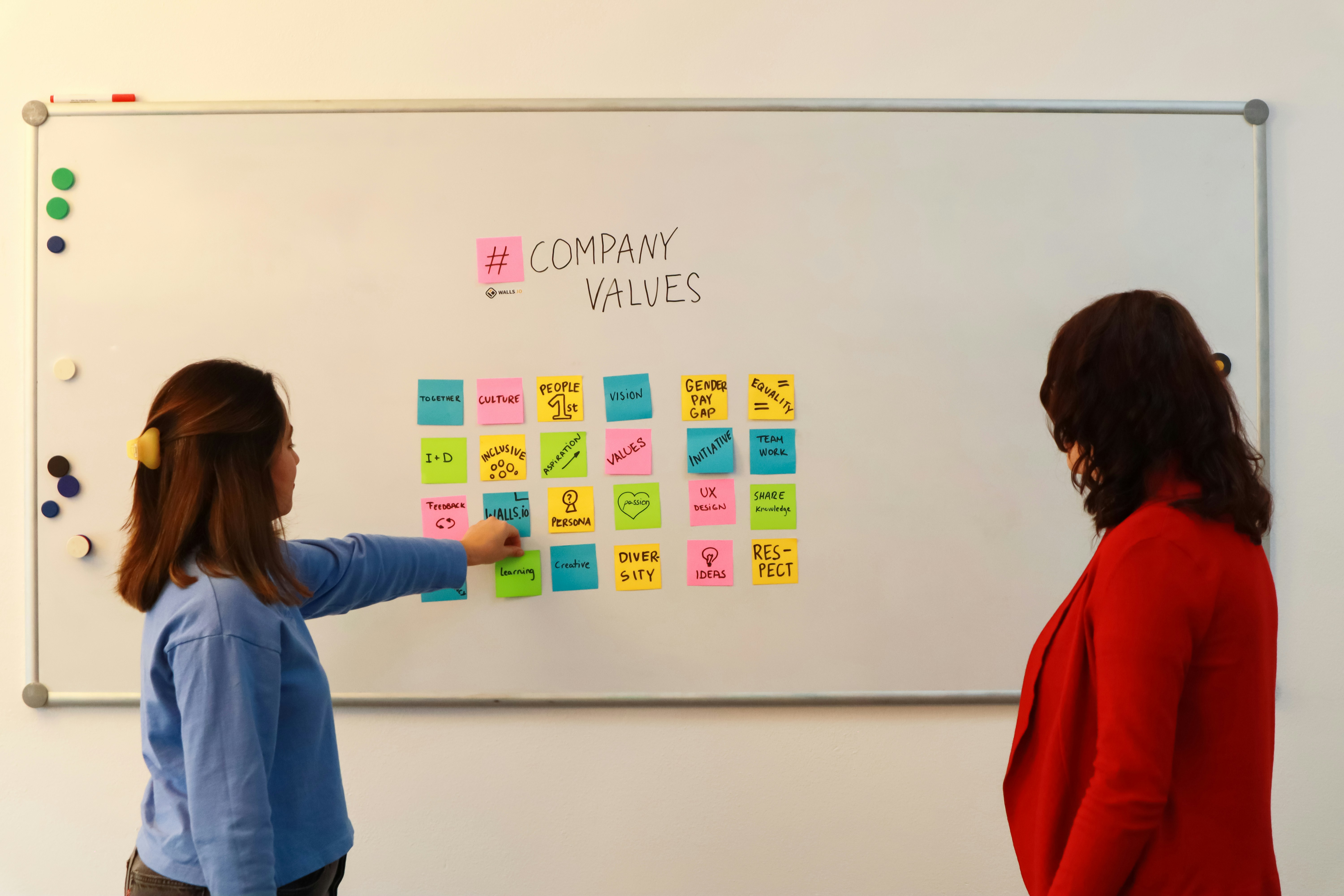
Here's a scene that will feel familiar. You finish a round of interviews and get the team together to debrief. One person loved the candidate. Another thought they were fine but not exceptional. A third is still bothered by something they can't quite articulate. Nobody agrees on what they were actually evaluating. The decision drags. The candidate waits.
This is what unstructured collaborative hiring looks like in practice. It's not a people problem. It's a process problem.
Why team misalignment costs you more than you think
Most hiring teams don't lack opinions. They lack a shared framework for turning those opinions into a decision.
When interviewers evaluate different things, ask different questions, and record feedback in different places, you end up with a pile of subjective impressions that are almost impossible to compare. "She had great energy" and "I'm not sure he's a culture fit" aren't data points. They're noise.
The downstream effects are real. Great candidates get rejected because one strong voice in the room happened to be having a bad day. Weak candidates get through because nobody wants to be the one who says no. Decisions take longer than they should. Candidates lose patience and accept other offers.
And the candidate experience suffers too. When your process is disjointed internally, it shows externally. Interviews that cover the same ground twice. Feedback that contradicts itself. Silence between stages. These aren't just annoyances. They're signals about what working at your company will actually be like.
Four things that make collaborative hiring actually work
Define what you're hiring for before you start interviewing
This sounds obvious. Most teams skip it anyway. Before the first interview, get everyone in a room for 30 minutes and agree on the three or four things that actually matter for this role. Not a laundry list of nice-to-haves. The two or three competencies where a weak hire would genuinely hurt you.
Write them down. Share them with every interviewer. This single step eliminates most of the misalignment that derails hiring decisions later.
Give every interviewer a structured guide
When interviewers make up their own questions, you get inconsistent data. When everyone asks the same behaviorally anchored questions, you can actually compare candidates.
A structured interview guide doesn't mean robotic interviews. It means each interviewer covers their assigned competency area with questions that reliably surface relevant evidence. The conversation can still feel natural. The evaluation becomes meaningful.
Score independently before you discuss
This is the most underrated practice in collaborative hiring. After each interview, every interviewer submits their scorecard before the debrief conversation happens.
Why does this matter? Because group discussions are dominated by whoever speaks first and most confidently. Independent scoring gives every perspective equal weight before social dynamics kick in. When you see that three people scored the candidate a 4 on communication and one scored them a 2, that's a productive conversation. When you ask the room "so what did everyone think?", you're just inviting the loudest voice to set the tone.
Keep feedback in one place
Email threads, Slack messages, handwritten notes, and verbal opinions in hallway conversations are the enemy of good hiring decisions. A centralized system where every interviewer logs structured feedback means nothing gets lost, everyone can see the full picture, and the hiring manager can make a decision with complete information.
This isn't about bureaucracy. It's about not losing a great candidate because someone's feedback ended up buried in a thread from three weeks ago.
The candidate experience angle
A well-coordinated team doesn't just make better decisions. It creates a noticeably better interview experience.
Candidates who go through a structured, consistent process feel respected. They're not asked the same question three times by three different people. They don't receive conflicting signals about what the company is looking for. They hear back promptly because the internal process isn't bottlenecked on a debrief that never got scheduled.
That experience shapes whether they accept your offer. It also shapes whether they talk positively about your company to people in their network.
The short version
Collaborative hiring breaks down when teams skip the alignment work upfront and try to coordinate on the fly. It works when you define criteria before you start, equip interviewers with structured guides, score independently, and keep everything in one place.
The goal isn't a process that feels collaborative. It's a process that produces decisions the whole team can stand behind.